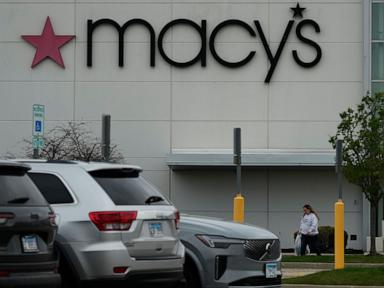
Retail experts spent the last few years writing Macy's obituary. Inflation pinched middle-class wallets. Department stores felt like dusty relics of the 1990s. Activist investors banged on the boardroom doors demanding a breakup.
Then morning came, and the retail giant completely flipped the script.
Macy's just pulled off its strongest Q1 growth in four years. Not only did they beat Wall Street expectations, but management went ahead and raised their full-year financial guidance. They did this while other retailers complained that consumers are completely tapped out.
If you think this is just a lucky streak, you're missing the bigger picture. It's the first clear sign that Tony Spring's turnaround strategy is working. The retail titan isn't dying. It's shrinking to grow.
Inside the Numbers That Shocked Wall Street
Let's look at what actually happened. Wall Street expected a mediocre quarter, expecting shoppers to skip the department store to buy cheaper groceries elsewhere. Instead, Macy's reported adjusted earnings per share and revenue numbers that handily cleared analysts' consensus bars.
The real story lies in the comparable sales. While total sales dipped slightly because of planned store closures, the stores that remained open showed real spark. The company's premier locations pulled in steady foot traffic.
Management grew confident enough to bump their full-year guidance. They now expect full-year net sales to land between $22.3 billion and $22.9 billion. They also raised their adjusted earnings per share outlook to a range of $2.60 to $2.90. That is a massive statement of confidence when giants like Target and Walmart warn about unpredictable consumer behavior.
The market noticed. Shares jumped in early trading, giving long-suffering retail investors a rare reason to smile.
The Bold Strategy Behind the Turnaround
You don't get a four-year growth peak by running the same old playbook. This performance is the direct result of a radical strategy dubbed "A Bold New Chapter."
When Tony Spring took the wheel as CEO, he didn't try to save every underperforming mall location. He made a tough choice. The company announced the closure of roughly 150 underperforming stores over three years. That is nearly a third of its total footprint.
Instead of spreading capital thinly across hundreds of fading suburban malls, Macy's poured cash into its top 50 locations. They upgraded the lighting. They brought back actual human staff to help customers in the shoe and beauty departments. They fixed the inventory flow so sizes don't run out during weekend rushes.
It turns out that when a store doesn't look depressing, people actually buy things.
The strategy relies on a few key pillars that are reshaping the business.
Upgrading the First Fifty
The first wave of 50 modernized stores served as a testing ground. These locations didn't just beat the rest of the fleet; they drove positive comparable sales growth that carried the entire corporation. Shoppers noticed the cleaner layouts, faster checkout lines, and better visual merchandising.
The Luxury Shield
While the core Macy's brand serves the squeezed middle class, the luxury divisions act as an economic shield. Bloomingdale's and Bluemercury outperformed the namesake brand yet again. Affluent shoppers still spend money on luxury skincare, designer handbags, and high-end apparel. Bluemercury, in particular, remains a growth engine, capturing high-margin beauty spend that rarely fluctuates during minor economic downturns.
Small Stores Big Potential
The company is moving away from giant 200,000-square-foot mall anchors. The real growth is happening in off-mall, small-format locations. These smaller stores are tucked into busy strip centers next to popular grocery stores or trendy fitness centers. They require less overhead, need fewer staff, and pick up suburban shoppers who refuse to drive to a traditional mall.
What Most People Get Wrong About Consumer Worries
Every financial news network loves talking about consumer fatigue. Credit card debt is up. Gas prices fluctuate. Sticky inflation means a basket of groceries costs way more than it did a few years ago.
But consumers aren't dead; they're just picky.
Shoppers are refusing to pay full price for boring, generic merchandise. They want value, or they want exclusivity. Macy's figured this out by clearing out slow-moving inventory early and focusing on exclusive private brands that offer high style without the luxury price tag.
By keeping inventory lean, they didn't have to run massive, margin-killing clearance sales at the end of the quarter. That preserved their gross margins and kept profitability healthy.
The Threats That Haven't Gone Away
We shouldn't pretend everything is perfect. A single great quarter doesn't mean the department store model is fully healed. The business faces real headwinds that keep retail executives awake at night.
Activist investment firms like Arkhouse Management and Brigade Capital Management spent months trying to buy the company outright to spin off its valuable real estate. While Macy's fended off those initial proxy fights and opened up its books, the pressure remains intense. If the turnaround stalls later this year, those buyers will return with a vengeance.
Furthermore, the remaining 350 stores that aren't part of the upgraded elite fleet still face sluggish traffic. Closing a store costs money in lease terminations and severance. Keeping an underperforming store open drains cash. Balancing that transition over the next two years is a delicate tightrope walk.
How to Apply These Retail Lessons to Your Business
You don't need to run a multi-billion-dollar department store chain to learn from this earnings surprise. The strategic pivots offer a clear blueprint for any business navigating a choppy economic climate.
First, stop trying to fix your worst products or locations. Focus resources on your top performers. Macy's succeeded because they accepted that 150 stores were beyond saving, choosing instead to make their best 50 stores spectacular. Cut your losses early and double down on what already works.
Second, embrace premium and value simultaneously. The middle market is a dangerous place to sit right now. Either offer an incredible luxury experience like Bloomingdale's or provide clear, undeniable value through exclusive, high-quality products.
Monitor your inventory levels like your business depends on it, because it does. Overstocks lead to discounting, which destroys brand equity and erodes profit margins. It's always better to run out of stock on a hot item than to sit on thousands of units nobody wants.
Keep a close eye on customer touchpoints. The off-mall strategy shows that convenience wins. Go where your customers already hang out rather than forcing them to make an extra journey to find you. Focus on these core elements to build resilience into your business model, regardless of wider economic volatility.